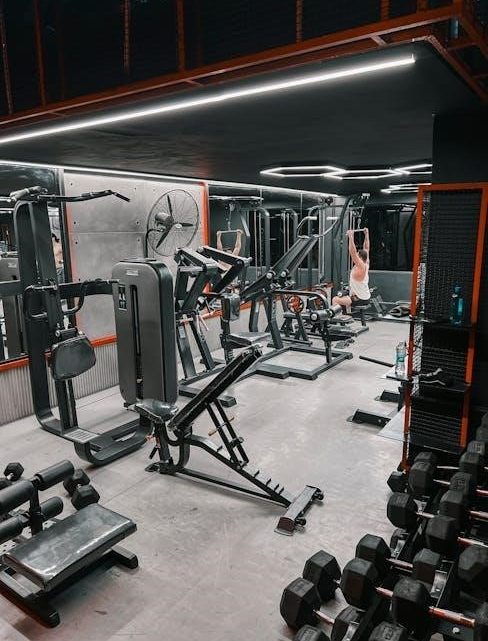
functional training exercises pdf
Understanding Functional Training
Functional training, also known as functional strength training, is a prominent fitness buzzword. It involves movements mimicking real-life activities, preparing the body to carry out daily tasks with ease. This training enhances strength, flexibility, and improves overall movement quality for everyone.
What is Functional Training?
Functional training, a widely discussed term in the fitness world, represents a strategic approach to exercise that fundamentally improves one’s capacity for daily activities. This methodology distinguishes itself by focusing on movements that closely replicate real-life actions, such as carrying objects, walking, pushing, pulling, or squatting. Its primary objective is to prepare the body to perform everyday tasks efficiently and without discomfort, thereby preventing bodily pains. It goes beyond mere muscle isolation, instead emphasizing the integration of various muscle groups and joints to work synergistically. By developing comprehensive strength, flexibility, balance, and coordination, functional training builds a more robust and adaptable physique. This form of exercise aims to enhance overall movement patterns, making individuals more proficient in their daily lives and improving their physical performance in diverse scenarios. Ultimately, it fosters a higher quality of life by empowering the body to meet the demands of its environment;
Why Incorporate Functional Training?
Incorporating functional training into your fitness regimen offers profound advantages that transcend conventional workout goals. This methodology is specifically designed to enhance your physical capabilities for everyday living, making tasks such as lifting, carrying, bending, and climbing significantly easier and safer. It actively prepares your body to navigate real-world demands, reducing the risk of injuries and alleviating common bodily pains that can hinder daily activities. By building foundational strength, flexibility, and endurance, functional training directly contributes to an improved overall quality of life.
Furthermore, it cultivates superior balance, coordination, and agility, essential attributes for maintaining independence and performing optimally in various situations, from playing with children to participating in sports. This holistic approach ensures that your body functions as an integrated unit, promoting efficient movement patterns and boosting your resilience. It’s an investment in long-term health, empowering you with the physical confidence and power to tackle life’s challenges, fostering a strong body and a strong life. Functional training ensures you move better, feel better, and live better.
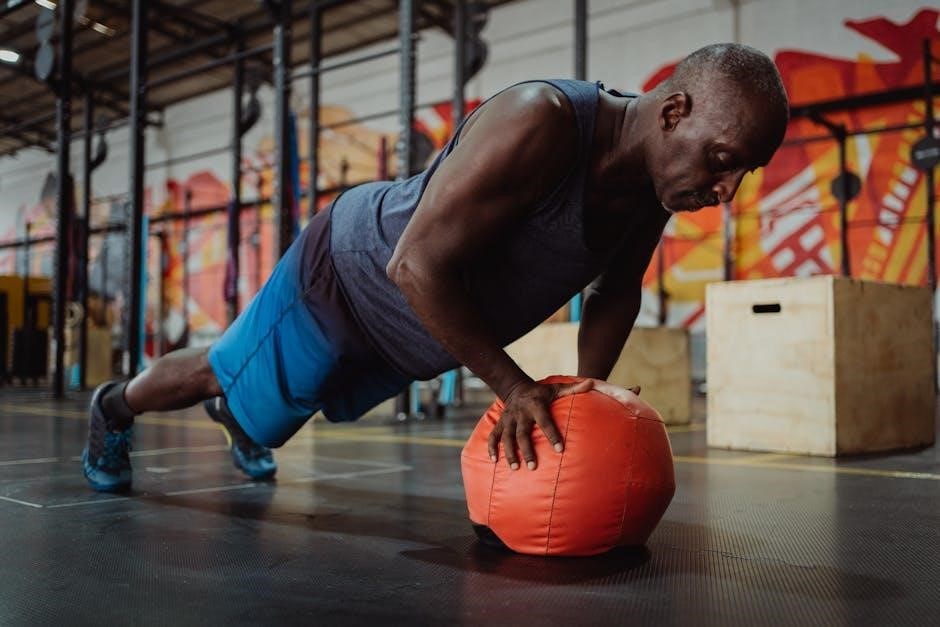
Key Benefits for Daily Life
Functional training significantly enhances daily life by boosting overall quality of movement and reducing pain. It builds strength, balance, and agility, enabling easier performance of everyday tasks like lifting or climbing. You’ll move better, feel better, and live stronger with improved physical capabilities.
Improved Movement Patterns
Functional training fundamentally targets the enhancement of natural human movement patterns, making daily life more efficient and pain-free. By engaging in exercises that closely mimic real-world activities, such as lifting, pushing, pulling, bending, and walking, individuals learn to move their bodies with greater coordination and control. This approach differs from traditional isolated strength training by emphasizing compound movements involving multiple joints and muscle groups working together, just as they do in everyday scenarios. The goal is not merely to build muscle, but to build intelligent, adaptable strength that translates directly into improved functional capacity, benefiting every action. For instance, squats and lunges strengthen the lower body, supporting climbing stairs or getting out of a chair effortlessly. Push-ups and pull-ups develop upper body strength crucial for carrying groceries or reaching overhead. This holistic focus on integrated movement corrects muscular imbalances, improves posture, and significantly reduces injury risk during routine activities. Consequently, practitioners experience profound ease and confidence in their physical capabilities, moving better, feeling better, and enjoying an enhanced overall quality of life throughout their day, regardless of age or fitness level.
Enhanced Core Stability
Functional training inherently prioritizes enhanced core stability, which serves as the body’s central powerhouse and foundation for all effective movement. Unlike isolated abdominal exercises, functional movements dynamically engage the deep core muscles in concert with other muscle groups, mirroring real-life demands. This integrated approach strengthens the entire trunk, improving the body’s ability to resist unwanted rotation, flexion, and extension during activities like lifting heavy objects, carrying groceries, or twisting. A robust and stable core is critical for maintaining proper posture, preventing common injuries, particularly in the lower back, and facilitating efficient transfer of power throughout the kinetic chain. Exercises such as squats, lunges, and even overhead presses, when performed correctly, demand significant core activation to stabilize the spine and pelvis. Incorporating unilateral exercises further challenges the core’s ability to maintain equilibrium. This comprehensive strengthening leads to superior balance, coordination, and agility, allowing individuals to navigate daily tasks with greater ease, confidence, and reduced risk of strain. Ultimately, functional training cultivates a resilient core that supports every physical endeavor, from simple walking to complex athletic movements, significantly boosting overall physical performance and well-being.
Increased Strength and Power
Functional training excels at building both practical strength and explosive power, directly translating to improved performance in daily life. Unlike traditional isolated exercises, functional movements engage multiple muscle groups and joints simultaneously, mirroring how our bodies naturally move when performing tasks. This integrated approach cultivates a more robust and efficient muscular system. Exercises like the Barbell Snatch and Clean & Press are prime examples, demanding full-body coordination and explosive force to lift heavy objects safely and powerfully. Similarly, foundational movements such as Front and Back Squats and Lunges significantly strengthen the lower body, making activities like climbing stairs or lifting children far easier. Upper body exercises like Push-ups, Dips, Pull-ups, and Chin-ups build pushing and pulling strength essential for carrying groceries, opening heavy doors, or even gardening. This comprehensive development of strength and power not only facilitates everyday physical demands but also enhances overall physical resilience, contributing to a higher quality of life by enabling individuals to tackle physical challenges with greater ease and confidence.
Better Balance and Agility
Functional training significantly enhances both balance and agility, which are vital for navigating daily life safely and efficiently. Many functional exercises inherently challenge stability, requiring the body to engage core and stabilizer muscles to maintain equilibrium. Incorporating tools like gym balls and balance boards, alongside dynamic movements, trains the body to react and adjust quickly to shifts in its center of gravity. Furthermore, functional workouts frequently feature unilateral exercises, where one limb works independently, such as lunges or single-leg squats. These movements are incredibly effective for improving balance and coordination, as they compel each side of the body to stabilize and strengthen individually, correcting potential imbalances. The emphasis on multi-planar movements and proprioception directly translates to improved agility. This means you can react faster, change direction more smoothly, and reduce the risk of falls, whether you’re catching yourself from a stumble or quickly stepping aside.
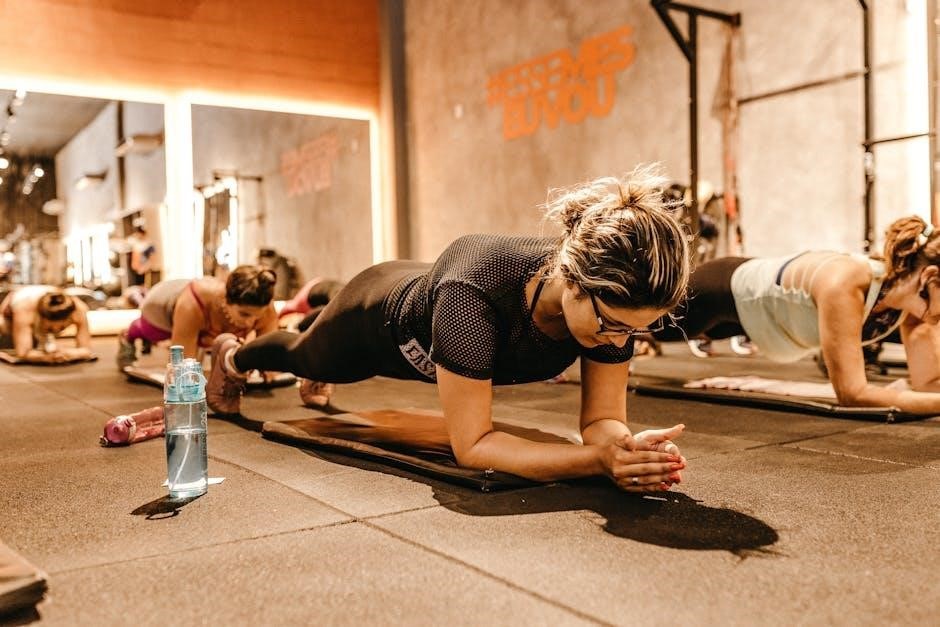
Designing a Functional Workout Program
A well-designed functional workout program is crucial for optimal results. Each session should begin with 3-5 minutes of easy cardio, transitioning into mobility drills. Progressive programs, like the RCMP model, offer sequential levels, ensuring continuous improvement in strength and conditioning.
Warm-up and Mobility Drills
A crucial component of any effective functional workout program begins before the main exercises. Each training session should meticulously start with a dedicated warm-up phase, typically involving 3-5 minutes of easy cardio. This initial period is designed to gently elevate the heart rate, increase blood flow to the muscles, and gradually raise core body temperature. Activities such as light jogging, cycling at a low intensity, or brisk walking serve this purpose. The goal is to prepare the cardiovascular system and warm the superficial muscle layers without inducing fatigue.
Following this gentle cardiovascular preparation, the focus shifts to essential mobility drills. These drills are indispensable for improving joint range of motion and enhancing overall movement quality, foundational to functional training. Mobility work primes the body for complex, multi-joint movements, significantly reducing injury risk. Examples include dynamic stretches like leg swings, arm circles, torso twists, and hip rotations. Incorporating light foam rolling or targeted joint articulation exercises further improves tissue pliability. This systematic approach ensures muscles and joints are supple and ready to perform, optimizing performance in subsequent functional training segments and preventing potential strain. Proper warm-up and mobility are the cornerstones of a safe and productive session.
Integrating Functional Exercises
Integrating functional exercises into your fitness routine means deliberately choosing movements that directly translate to improved performance in everyday activities and sports. This approach moves beyond isolated muscle training, focusing instead on comprehensive, compound, multi-joint movements that engage several muscle groups simultaneously, mirroring how our bodies naturally move. The primary aim is to build practical strength, agility, and stability, making daily tasks significantly easier and more efficient for a better quality of life.
For instance, rather than focusing solely on traditional weight machines, functional integration would emphasize dynamic exercises like squats and lunges, which expertly mimic common actions such as sitting down, standing up, or climbing stairs. These movements inherently enhance core stability, balance, and coordination, essential for navigating daily life with greater ease and reduced injury risk. Functional training often incorporates diverse equipment, including bodyweight, free weights, resistance bands, and even unconventional tools like gym balls or balance boards, promoting movements in multiple planes of motion. It’s about teaching your entire body to work as a cohesive unit, fostering a robust foundation for routine tasks and more demanding physical challenges.
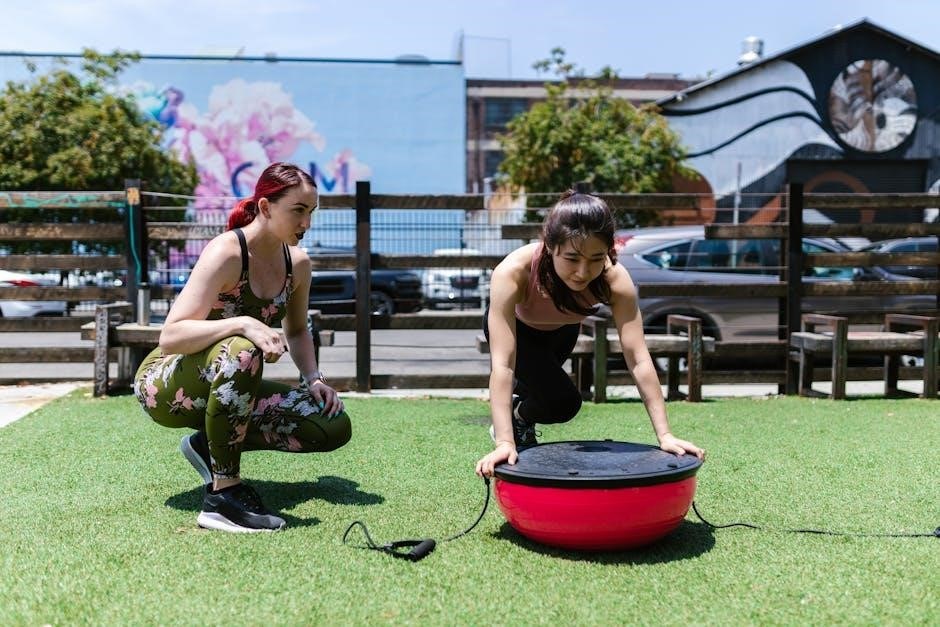
Essential Functional Training Exercises (PDF Guide)
This section provides a comprehensive PDF guide to essential functional training exercises. It details movements like squats, lunges, push-ups, pull-ups, barbell snatch, and clean & press. These exercises are crucial for enhancing daily life activities and overall physical performance.
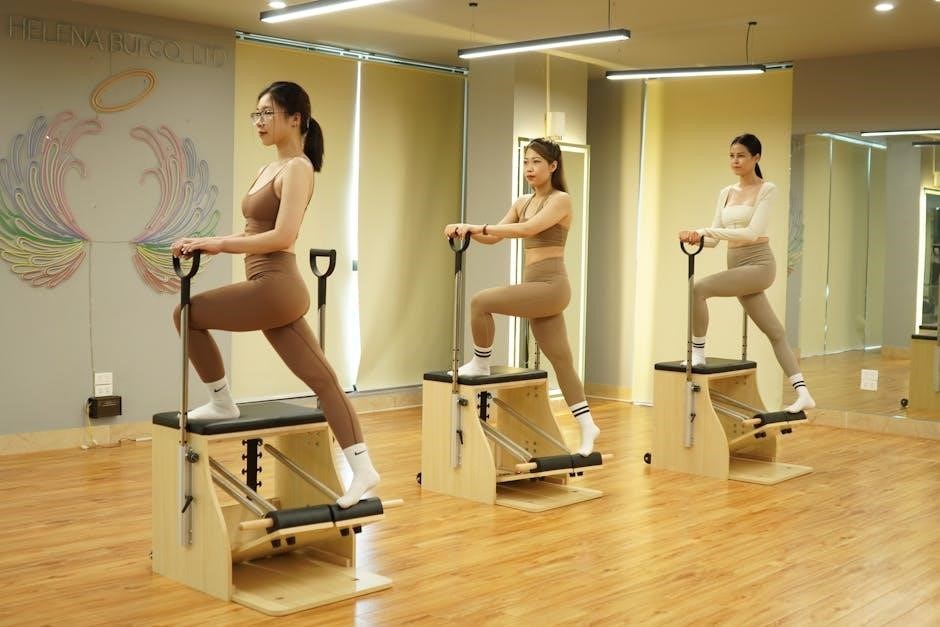
Lower Body Functional Movements
Developing strong, agile lower body movements is paramount for daily tasks and injury prevention. These exercises directly enhance walking, lifting, climbing, and overall stability, improving physical independence. Concentrating on compound, multi-joint movements ensures maximum efficiency and real-world applicability for an active life.
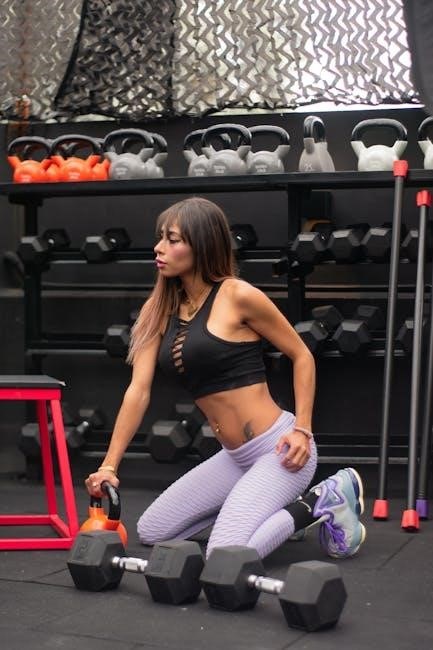
Front and Back Squats
Squats are foundational functional exercises, mimicking sitting and standing. Front squats emphasize quadriceps and core stability; back squats allow heavier loads, targeting the posterior chain. Both build significant leg strength, power, and improve hip/ankle mobility. Engaging multiple joints simultaneously, squats are highly effective for comprehensive lower body development and daily movement patterns.
Lunges for Leg Strength
Lunges are vital unilateral movements, developing leg strength, balance, and coordination. They simulate walking, running, and stair climbing, addressing imbalances. Forward, reverse, and lateral lunges strengthen quadriceps, hamstrings, and glutes while challenging core stability. Incorporating lunges significantly boosts functional leg power, making tasks like stepping up or navigating uneven surfaces safer and more efficient.
Front and back squats are cornerstone exercises in any functional training regimen, directly mirroring everyday movements like sitting, standing, and lifting objects from the floor. These compound movements engage multiple muscle groups simultaneously, making them exceptionally efficient for building real-world strength and mobility.
Front squats, where the barbell rests across the front of the shoulders, demand significant core stability and place a greater emphasis on the quadriceps. This variation also improves thoracic mobility and posture, crucial for maintaining an upright position during various activities. The anterior load challenges the body in a unique way, translating to better balance and control.
Back squats, with the bar positioned across the upper back, allow for heavier loads, primarily targeting the glutes, hamstrings, and lower back—the powerful posterior chain. This robust development is essential for explosive power, jumping, and running. Both variations are indispensable for enhancing lower body strength, improving hip and ankle mobility, and reinforcing movement patterns vital for a healthy, active lifestyle. Mastering them means cultivating a strong foundation for nearly all physical tasks.
Lunges are an indispensable component of functional training, specifically targeting leg strength in a manner that directly translates to everyday activities. This unilateral exercise challenges each leg independently, closely mimicking natural human locomotion like walking, running, and climbing stairs. By requiring stability from one leg at a time, lunges significantly improve balance, coordination, and proprioception, which are critical for navigating uneven terrain or recovering from a stumble. They also help address muscular imbalances often overlooked by bilateral movements.
They effectively strengthen key lower body muscles including the quadriceps, hamstrings, glutes, and calves, while simultaneously engaging core stabilizers to maintain an upright posture. The movement pattern of a lunge also enhances hip mobility and flexibility, crucial elements for injury prevention and efficient movement across various sports and daily tasks. Different lunge variations, such as walking lunges, reverse lunges, lateral lunges, or curtsy lunges, further develop strength across multiple planes of motion, preparing the body for diverse real-world demands. Integrating lunges into your routine ensures comprehensive lower body development, fostering the practical strength and agility needed for a higher quality of life and improved performance in any physical endeavor. Proper form is paramount for maximizing benefits and preventing injury.
Upper Body Functional Movements
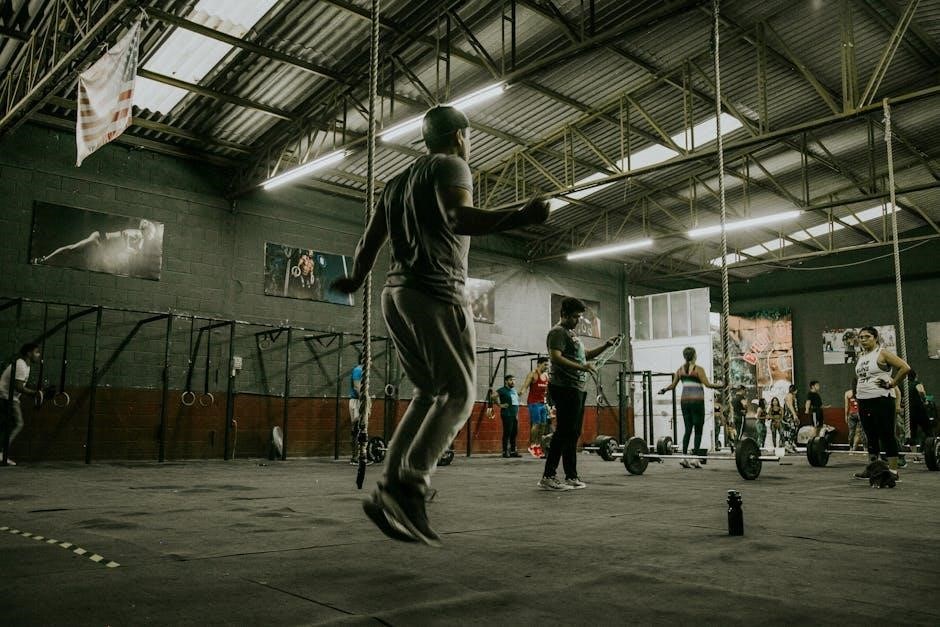
Upper body functional movements are essential for enhancing daily performance and overall physical resilience. These exercises mimic real-life pushing, pulling, and lifting actions, crucial for tasks ranging from carrying groceries to opening doors or reaching overhead. Unlike isolated machine exercises, functional upper body training engages multiple muscle groups simultaneously, promoting better coordination and stability across the shoulder girdle, arms, and core. This holistic approach strengthens not just the prime movers, but also the often-neglected smaller stabilizing muscles, leading to improved posture and a reduced risk of injury during everyday activities. Exercises like push-ups and dips, for instance, build pushing strength vital for moving objects or supporting your own body weight. Conversely, pull-ups and chin-ups develop pulling power, indispensable for tasks such as climbing or lifting heavy items from the floor. The benefits extend beyond mere strength, fostering enhanced muscular endurance and control. By incorporating these movements, individuals gain practical strength that directly translates to greater ease and efficiency in their daily lives, making routine physical demands less strenuous and more manageable.
Push-ups and Dips
Push-ups and dips are classic bodyweight exercises that serve as excellent examples of functional upper body movements, directly translating to everyday strength. Push-ups mimic the natural pushing motion, engaging the chest, shoulders, triceps, and core simultaneously to lift and control your body weight. This foundational movement is essential for tasks like getting up from the floor, pushing heavy doors, or even bracing oneself. Similarly, dips are incredibly functional, primarily targeting the triceps, chest, and front shoulders, replicating the action of pushing oneself up or stabilizing the body when lowering from an elevated surface. Both exercises build significant pushing power and muscular endurance, which are vital for daily activities. They also enhance proprioception and core stability, crucial elements for overall functional fitness. By consistently performing push-ups and dips, individuals develop practical strength that directly improves their ability to navigate their environment with greater ease, reduce injury risk, and maintain independence in various physical tasks, truly enhancing quality of life.

Pull-ups and Chin-ups
Pull-ups and chin-ups are fundamental upper body exercises that significantly contribute to functional strength, making them essential components of any comprehensive training program. These movements involve lifting your entire body weight against gravity, directly mimicking numerous real-life pulling actions. Whether you’re climbing, lifting objects onto a high shelf, or even just opening a stubborn door, the strength developed through pull-ups and chin-ups is directly applicable. Pull-ups, typically performed with an overhand grip, primarily target the latissimus dorsi (lats) in the back, biceps, and shoulders, fostering a broader, stronger upper body. Chin-ups, using an underhand grip, place a greater emphasis on the biceps while still engaging the lats and other back muscles. Both variations enhance grip strength, which is a crucial aspect of overall functionality and can improve performance in countless daily tasks and other exercises. By mastering these challenging bodyweight movements, individuals cultivate robust upper body pulling power and muscular endurance, leading to improved posture, better joint stability, and increased ease in performing demanding physical activities.
Full Body and Explosive Exercises
Full body and explosive exercises are paramount in functional training, cultivating power, coordination, and strength across multiple muscle groups. These dynamic movements enhance athletic performance and daily functional capacity by mimicking complex, real-world actions needing rapid force. They demand substantial neurological integration, training the body to operate as a unified system. Essential examples, listed in functional exercise guides, include the Barbell Snatch and Clean & Press. The Barbell Snatch involves a seamless lift from the floor to overhead, demanding immense power from the lower body, core, shoulders, precise timing, and robust stability. The Clean & Press integrates two phases: bringing the barbell to the shoulders (“clean”) and driving it overhead (“press”). These compound lifts not only boost cardiovascular fitness and metabolic rate but also enhance functional strength, balance, and agility, preparing the body for unpredictable, intense physical demands crucial for both athletic pursuits and everyday life.
Barbell Snatch and Clean & Press
The Barbell Snatch and Clean & Press are pinnacle full-body, explosive movements fundamental to advanced functional training, frequently emphasized in comprehensive exercise guides. The Barbell Snatch is a highly technical, single-motion lift from the floor to an overhead position, demanding supreme coordination, flexibility, balance, and explosive strength from the legs, glutes, core, and shoulders. It effectively simulates rapid, powerful object handling in diverse real-world contexts, building incredible dynamic power.
Conversely, the Clean & Press is a powerful compound exercise executed in two distinct phases. First, the “clean” lifts the barbell from the ground to the shoulders using hip drive. Second, the “press” drives it overhead with powerful force. This greatly boosts posterior chain strength, enhances core stability, and develops substantial upper body pushing power. Both are vital for cultivating integrated strength, speed, and agility essential for superior performance in daily tasks and athletic endeavors, forming core elements of any effective functional training program.