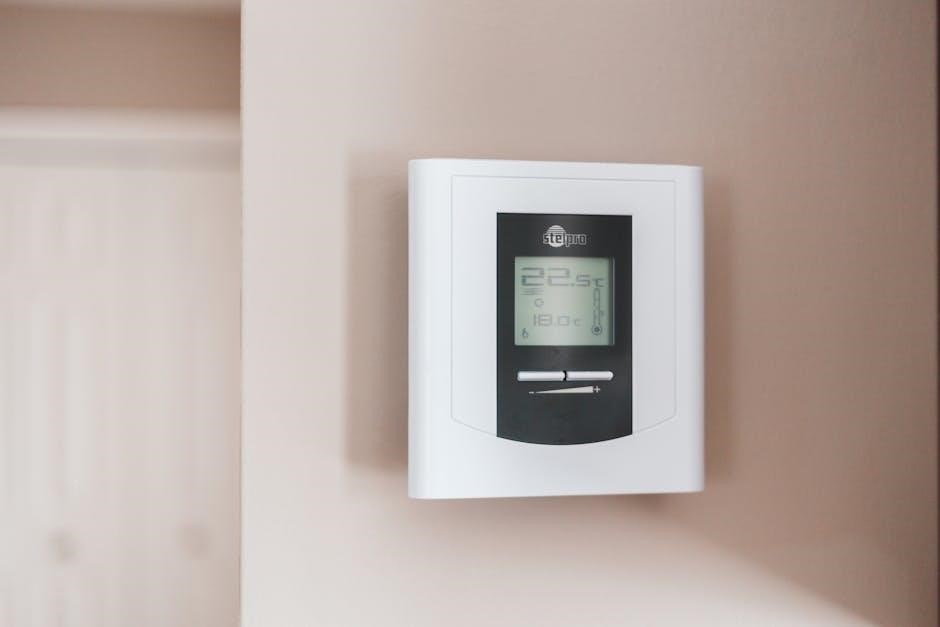
danfoss heating control user guide
Danfoss Heating Control User Guide: A Comprehensive Overview (Updated 02/17/2026)
Danfoss, a global leader since 1933, provides innovative heating solutions for over 100 countries․ This guide details KP, RT, UT thermostats, TS710 V2 timers, FP720 V2 programmers, and RET1001 wired thermostats, focusing on installation, programming, and troubleshooting for optimal energy efficiency․
Danfoss heating controls represent a legacy of innovation dating back to 1933, evolving into market-leading solutions deployed across more than 100 countries․ This introduction serves as a foundational guide to understanding and maximizing the benefits of your Danfoss heating system․ These controls aren’t simply about temperature regulation; they are integral to creating comfortable, energy-efficient living and working environments․
Driven by a commitment to sustainability, Danfoss engineers technologies that address global challenges, offering solutions for refrigeration, air conditioning, and, crucially, heating․ The core philosophy centers on enhancing machine productivity, reducing emissions, and lowering energy consumption – all while enabling electrification․ Whether you’re a homeowner or a facilities manager, understanding your Danfoss system empowers you to optimize performance and contribute to a more sustainable future․

This user guide will navigate you through the various components, from the versatile KP, RT, and UT thermostat ranges to the precise timing capabilities of the TS710 V2 and programming flexibility of the FP720 V2, alongside the reliable RET1001 wired thermostat․ We aim to provide a comprehensive resource for installation, configuration, and troubleshooting, ensuring a seamless experience with your Danfoss heating control system․
Understanding Danfoss Heating Systems
Danfoss heating systems are engineered for precision and efficiency, integrating seamlessly into diverse heating infrastructures․ These systems aren’t merely about providing warmth; they represent a holistic approach to climate control, prioritizing energy conservation and user comfort․ At their heart lies a commitment to sustainability, reflected in technologies designed to minimize environmental impact and maximize resource utilization․
A key strength of Danfoss lies in its ability to cater to varied needs, offering solutions for both residential and commercial applications․ From individual room temperature regulation to centralized building management, Danfoss controls provide adaptable and scalable options․ The systems leverage advanced technology to optimize performance, responding dynamically to changing conditions and user preferences․

Understanding the interplay between components – thermostats (KP, RT, UT), timers (TS710 V2), programmers (FP720 V2), and wired thermostats (RET1001) – is crucial for effective operation․ These elements work in concert to deliver precise temperature control, programmed schedules, and remote access capabilities, ultimately empowering users to create personalized and energy-efficient heating environments․ Danfoss’s dedication to innovation ensures a future-proof heating solution․
Key Components of a Danfoss Heating Control System
A complete Danfoss heating control system comprises several interconnected components, each playing a vital role in achieving optimal performance․ Central to this are the thermostats – encompassing the KP, RT, and UT ranges – responsible for sensing temperature and initiating heating or cooling cycles․ These thermostats offer varying levels of functionality, from basic manual control to advanced programmable features․
Complementing the thermostats are the timing and programming devices․ The TS710 V2 digital timer provides simple on/off scheduling, while the FP720 V2 digital programmer allows for more complex, multi-channel programming․ For wired applications, the RET1001 wired room thermostat offers reliable and precise temperature regulation․
These components aren’t isolated entities; they communicate and collaborate to deliver a cohesive heating experience․ The system’s intelligence lies in its ability to integrate these elements, responding to user input, external conditions, and pre-defined schedules․ Danfoss’s commitment to quality ensures that each component is robust, reliable, and designed for long-term performance, contributing to a sustainable and efficient heating solution;
Danfoss Thermostat Ranges: KP, RT, and UT

Danfoss offers a diverse portfolio of thermostats categorized into three primary ranges: KP, RT, and UT, each designed to cater to specific heating control needs․ The KP Range represents a traditional, mechanical approach, providing simple and reliable temperature control with manual adjustments․ These are ideal for straightforward heating systems where basic regulation is sufficient;
The RT Range introduces electronic precision, offering improved accuracy and responsiveness compared to mechanical models․ These thermostats often include features like preset programs and temperature setbacks for enhanced comfort and energy savings․ They bridge the gap between simplicity and advanced functionality․
Finally, the UT Range Universal Thermostats provide maximum flexibility, compatible with a wide variety of heating systems․ These are designed for adaptability and often feature advanced programming options, making them suitable for complex heating setups․ Choosing the right range depends on the system’s complexity, desired level of control, and budget considerations, ensuring optimal performance and user satisfaction․
KP Range Thermostats: Features and Usage
Danfoss KP Range thermostats represent a robust and reliable mechanical solution for basic heating control․ These thermostats operate without batteries, utilizing a bi-metallic strip to sense temperature changes and directly control heating systems․ A key feature is the dial adjustment, allowing users to manually set the desired room temperature with clear, incremental markings․
Installation is straightforward, typically involving wiring directly to the heating system․ KP thermostats are particularly well-suited for systems where simplicity and dependability are paramount․ They are ideal for controlling radiators, electric heaters, and other conventional heating appliances․
Usage involves simply turning the dial to the desired temperature; no complex programming is required․ While lacking advanced features like scheduling, their ease of use and long-term reliability make them a popular choice․ Regular visual inspection ensures continued accurate operation, confirming the dial is securely positioned and responds correctly to temperature adjustments․
RT Range Thermostats: Features and Usage
Danfoss RT Range thermostats offer a step up in functionality from the KP series, providing electronic temperature control with a focus on user convenience․ These thermostats typically feature a digital display showing the current room temperature and setpoint, alongside intuitive buttons for adjustment․ They often include frost protection settings, safeguarding against freezing temperatures during colder months․
Installation is generally simple, requiring basic wiring connections․ RT thermostats are compatible with a wide range of heating systems, including radiators and underfloor heating․ A significant advantage is their ability to maintain a more consistent temperature compared to mechanical models, enhancing comfort and potentially reducing energy consumption․
Usage involves setting the desired temperature via the buttons and allowing the thermostat to automatically regulate the heating system․ Some models offer basic programming features, enabling users to set different temperatures for different times of the day․ Regular battery checks are essential for continued operation․
UT Range Universal Thermostats: Features and Usage
Danfoss UT Range universal thermostats represent a versatile solution for heating control, designed for compatibility with various heating systems․ These electronic thermostats boast a digital display, providing clear temperature readings and setpoint information; Their ‘universal’ designation signifies adaptability, working effectively with both two-pipe and radiator systems, offering flexibility for diverse installations․
Key features include proportional control, which modulates heating output for precise temperature maintenance, avoiding the on-off cycling common in simpler thermostats․ Many UT models incorporate frost protection, preventing pipe freezing during cold snaps․ Installation typically involves straightforward wiring, though professional assistance is recommended for complex setups․

Using a UT thermostat involves setting the desired temperature using intuitive controls․ Advanced models may offer programmable schedules, allowing customized heating profiles for energy savings and comfort․ Regular maintenance includes battery replacement and ensuring clear airflow around the thermostat for accurate readings․
Digital Timers: TS710 V2 – Installation and Programming
The Danfoss TS710 V2 is a single-channel digital timer, ideal for controlling heating systems on a time-based schedule․ Installation requires basic electrical knowledge; always disconnect power before wiring․ Typically, the timer connects to the heating system’s control circuit, switching the heating on or off based on programmed settings․ Ensure correct wiring according to the provided schematic – incorrect connections can damage the system․
Programming the TS710 V2 involves setting specific on/off times for each day of the week․ The timer utilizes a simple, intuitive interface with buttons for navigating menus and adjusting settings․ You can create multiple switching events per day, tailoring the heating schedule to your lifestyle; Consider utilizing different schedules for weekdays and weekends to maximize energy savings․
Features include a manual override function for temporary adjustments and a battery backup to retain settings during power outages․ Regularly check the battery level to ensure continued operation․ Proper programming and installation contribute to efficient heating and reduced energy consumption․
Digital Programmers: FP720 V2 – Installation and Programming
The Danfoss FP720 V2 is a two-channel digital programmer, offering advanced control over heating systems․ Unlike single-channel timers, it manages two separate heating zones or functions independently․ Installation, like the TS710 V2, requires disconnecting power and adhering to the wiring diagram․ Correct wiring is crucial for safe and effective operation, preventing potential damage to the heating system․
Programming the FP720 V2 allows for highly customized heating schedules․ Each channel can be programmed with multiple on/off periods per day, with different settings for each day of the week․ This flexibility enables precise temperature control and significant energy savings․ Utilize the programmer’s features to create comfort profiles tailored to occupancy patterns․
Key features include independent channel control, a clear LCD display, and a battery backup․ The programmer also offers options for pre-set programs and manual override․ Regularly review and adjust the programming to optimize performance and ensure continued energy efficiency․ Proper setup maximizes the benefits of this advanced control system․
Wired Room Thermostats: RET1001 – Installation and Programming
The Danfoss RET1001 is a single-channel wired room thermostat designed for precise temperature regulation․ Installation involves connecting the thermostat to the heating system’s control wiring, ensuring power is off during the process․ A qualified technician is recommended for complex installations, guaranteeing safety and compliance with local regulations․ Correct wiring is paramount for reliable operation and preventing system malfunctions․

Programming the RET1001 is straightforward, typically involving setting the desired temperature and utilizing any available scheduling features․ While simpler than the FP720 V2 programmer, it still allows for comfortable and efficient heating control․ Adjusting the temperature setting directly influences the heating system’s output, maintaining the desired room temperature․
Key features include accurate temperature sensing, a durable construction, and compatibility with various heating systems․ Regular calibration ensures continued accuracy․ The RET1001 provides a cost-effective solution for basic temperature control, offering a balance between simplicity and functionality․ Proper installation and setup maximize its benefits․
Danfoss Heating Control System Installation
Installing a Danfoss heating control system requires careful planning and execution for optimal performance․ Begin by thoroughly reviewing the system components – thermostats (KP, RT, UT ranges), timers (TS710 V2), and programmers (FP720 V2) – ensuring all parts are present and undamaged․ Prioritize safety by disconnecting power to the heating system before commencing any wiring․
Wiring connections must adhere strictly to the provided schematics․ Incorrect wiring can lead to system malfunctions or safety hazards․ Consider professional installation, especially for complex setups or if you lack experience with electrical work․ Proper mounting of thermostats is crucial for accurate temperature readings; avoid direct sunlight or drafts․

Post-installation, a comprehensive system check is essential․ Verify all connections, confirm thermostat responsiveness, and test timer/programmer functionality․ Danfoss emphasizes the importance of a well-installed system for maximizing energy efficiency and ensuring long-term reliability․ A correctly installed system delivers comfort and cost savings․
Initial System Setup and Configuration
Following installation, the initial setup of your Danfoss heating control system is vital for personalized comfort and efficiency․ Begin by powering on the system and verifying the display on your chosen controller – whether it’s a KP, RT, UT thermostat, TS710 V2 timer, or FP720 V2 programmer․
The first step involves setting the correct date and time․ Accurate timekeeping is crucial for programmed schedules․ Next, configure the system to recognize your heating system type (e․g․, boiler, heat pump)․ This ensures optimal control․ Familiarize yourself with the menu navigation; Danfoss controllers are designed for intuitive operation․
Calibrate the temperature sensor if necessary, comparing readings to a trusted thermometer․ Define your heating zones, if applicable, and assign controllers accordingly․ Finally, perform a test run of a simple heating schedule to confirm everything functions as expected․ Proper configuration unlocks the full potential of your Danfoss system․
Programming Heating Schedules
Danfoss heating control systems, including the FP720 V2 programmer and TS710 V2 timer, excel in programmable scheduling․ Begin by identifying your daily routines – when you need heat and when you don’t․ Most controllers allow for multiple time periods and temperature settings per day․
Utilize the controller’s interface to create distinct schedules for weekdays and weekends, accommodating varying lifestyles․ Consider setting back temperatures during sleep or when the property is unoccupied to maximize energy savings․ Explore advanced features like ‘holiday mode’ for extended absences․
For KP, RT, and UT thermostats, programming might involve setting target temperatures for different times․ The FP720 V2 offers dual-channel control, enabling independent zone management․ Regularly review and adjust schedules based on seasonal changes and personal preferences․ A well-programmed schedule delivers comfort and reduces energy consumption․
Troubleshooting Common Issues
Danfoss heating systems, while reliable, can occasionally encounter issues․ A common problem is a thermostat not responding – check battery levels first, especially in wireless models like the KP and RT ranges․ Verify the correct programming and ensure the thermostat isn’t in ‘off’ or ‘holiday’ mode․
If the heating isn’t activating, inspect the boiler and ensure it’s functioning correctly․ For wired thermostats like the RET1001, confirm secure wiring connections․ Error codes displayed on digital programmers like the FP720 V2 provide valuable diagnostic information – consult the user manual for interpretations․
For timers, such as the TS710 V2, ensure the correct time and date are set․ If issues persist, a system reset might be necessary․ Always refer to the official Danfoss documentation or contact a qualified heating engineer for complex problems․ Regular maintenance can prevent many issues․
Understanding Error Codes
Danfoss digital programmers, like the FP720 V2, and some advanced thermostats utilize error codes to signal system malfunctions․ These codes are crucial for efficient troubleshooting, pinpointing the source of the problem quickly․ A common code might indicate a sensor failure, requiring sensor replacement or recalibration․
Other codes could relate to communication errors between the thermostat and the boiler, often stemming from wiring issues or signal interference․ Low battery warnings are also displayed as specific codes, prompting immediate battery replacement․ Always consult the device’s user manual for a comprehensive list of error codes and their corresponding solutions․
Ignoring error codes can lead to prolonged system inefficiency or even damage․ Danfoss provides detailed documentation online and within product manuals, explaining each code’s meaning and recommended corrective actions․ Understanding these codes empowers users to resolve minor issues independently and communicate effectively with heating engineers when professional assistance is needed․
Maintaining Your Danfoss Heating Control System
Regular maintenance ensures the longevity and optimal performance of your Danfoss heating control system․ Dust accumulation on thermostats, such as the KP, RT, and UT ranges, can interfere with accurate temperature readings; gently clean them with a soft, dry cloth․
Check wiring connections periodically, especially for wired thermostats like the RET1001, to ensure secure contact and prevent intermittent heating issues․ Battery-powered devices, including the TS710 V2 timer and some thermostats, require regular battery replacements to avoid malfunctions․
Inspect the physical condition of programmers like the FP720 V2 for any signs of damage․ Danfoss recommends annual system checks by a qualified heating engineer to identify potential problems before they escalate․ Proper maintenance not only extends the system’s lifespan but also maximizes energy efficiency and reduces heating costs, aligning with Danfoss’s commitment to sustainability․
Optimizing Energy Efficiency with Danfoss Controls
Danfoss heating controls are engineered to maximize energy efficiency and minimize waste․ Utilizing programmable thermostats – KP, RT, UT ranges, FP720 V2 programmers, and RET1001 wired options – allows precise scheduling, reducing heating during unoccupied periods․
Leverage features like setback temperatures and open window detection (where available) to further curtail energy consumption․ The TS710 V2 timer can automate heating cycles, ensuring energy isn’t used unnecessarily․ Regularly reviewing and adjusting heating schedules based on occupancy patterns is crucial․
Danfoss’s commitment to sustainability extends to its products, enabling users to reduce their carbon footprint and lower heating bills․ Combining intelligent controls with a well-insulated home creates a highly efficient heating system․ Explore Danfoss’s resources for tips on optimizing your system and contributing to a more sustainable future, aligning with their global initiatives․
Danfoss and Sustainability: A Commitment to the Future

Danfoss places sustainability at the core of its business, driving competitiveness for both the company and its customers․ This commitment extends beyond product development to encompass a holistic approach to environmental responsibility․
By engineering technologies that reduce energy consumption – exemplified by their KP, RT, UT thermostats, TS710 V2 timers, FP720 V2 programmers, and RET1001 wired thermostats – Danfoss empowers users to minimize their carbon footprint․ Their solutions address global challenges, promoting a more sustainable future․
Danfoss actively collaborates with customers to enhance machine productivity, efficiency, and reduce emissions across various industries․ As a family-owned company, they prioritize long-term value creation for all stakeholders․ Choosing Danfoss means investing in a future where innovation and environmental stewardship go hand in hand, contributing to a better world for generations to come․