kubota rtv900 manual
Kubota RTV900 Manual: A Comprehensive Guide
Welcome! This detailed manual provides essential guidance for operating and maintaining your Kubota RTV900, ensuring optimal performance and longevity of your vehicle.
The Kubota RTV900 represents a robust and versatile utility vehicle, meticulously engineered for demanding tasks across diverse terrains. This manual serves as your comprehensive resource, guiding you through every aspect of ownership – from initial setup and safe operation to diligent maintenance and effective troubleshooting.
Designed with both professional and recreational users in mind, the RTV900 boasts exceptional durability, powerful performance, and a comfortable operator experience. Whether you’re tackling agricultural chores, landscaping projects, or simply navigating challenging property, this vehicle is built to deliver.
This guide will familiarize you with the RTV900’s key components, control systems, and recommended practices. Understanding these elements is crucial for maximizing efficiency, preventing potential issues, and ensuring years of reliable service. We strongly encourage you to read this manual thoroughly before operating the vehicle.
Understanding the RTV900’s Key Features
The Kubota RTV900 distinguishes itself through a suite of thoughtfully designed features. Its powerful diesel engine delivers exceptional torque and fuel efficiency, ideal for heavy-duty applications. The fully hydrostatic transmission (HST) provides smooth, responsive control and effortless maneuverability, even on uneven ground.
A spacious cargo bed with a substantial load capacity allows for the transport of tools, materials, and supplies. The RTV900 also features a robust four-wheel drive system, enhancing traction and stability in challenging conditions. Ergonomically designed seating and intuitive controls contribute to operator comfort during extended use.
Furthermore, the vehicle incorporates a user-friendly dashboard display, providing vital information at a glance. Its durable construction and high-quality components ensure long-lasting reliability, making the RTV900 a valuable asset for any operation.

Safety Precautions & Operation
Prioritize safety! Always review and understand all operational guidelines and safety precautions before operating the Kubota RTV900 to prevent accidents.
General Safety Guidelines
Operator Responsibility: Before each use, thoroughly inspect the RTV900 for any damage or potential hazards. Ensure all guards and shields are securely in place. Only trained and authorized personnel should operate this vehicle.
Protective Gear: Always wear appropriate safety gear, including a helmet, eye protection, and sturdy footwear. Avoid loose clothing that could become entangled in moving parts. Passengers should also adhere to these safety standards.
Load Capacity: Never exceed the RTV900’s specified load capacity. Overloading can compromise stability and braking performance, increasing the risk of rollovers or accidents. Distribute the load evenly.
Terrain Awareness: Operate the vehicle on suitable terrain. Avoid steep slopes, uneven surfaces, and hazardous conditions. Reduce speed when navigating challenging terrain. Be mindful of surrounding obstacles.
Emergency Procedures: Familiarize yourself with emergency shutdown procedures and the location of safety equipment, such as the first-aid kit. Know how to safely dismount the vehicle in an emergency.
Pre-Operational Checks
Fluid Levels: Before each operation, verify engine oil, coolant, brake fluid, and hydraulic fluid levels. Top off as needed, using the recommended fluids specified in this manual. Inspect for leaks around all fluid reservoirs and lines.
Tire Condition: Check tire pressure and inspect tires for damage, such as cuts, bulges, or excessive wear. Maintain the recommended tire pressure for optimal performance and stability. Ensure lug nuts are tightened securely.
Control Functionality: Test the operation of all controls, including steering, brakes, throttle, and lights. Verify that all switches and levers function smoothly and correctly. Address any malfunctions immediately.
Safety Devices: Confirm that the seatbelt is in good working order and properly latches. Inspect the ROPS (Roll-Over Protective Structure) for any damage or loose connections. Ensure all safety decals are present and legible.
General Inspection: Walk around the RTV900, visually inspecting for any loose parts, damaged components, or potential hazards. Remove any debris that could interfere with operation.
Starting and Stopping the Engine
Starting Procedure: Ensure the parking brake is engaged and the transmission is in neutral. Turn the ignition key to the “ON” position. Allow the glow plug system (if equipped) to preheat, indicated by the glow plug indicator light. Once the light extinguishes, turn the key further to the “START” position. Release the key once the engine starts.
Warm-up: Allow the engine to warm up for a few minutes before operating under load. This ensures proper lubrication and optimal performance. Avoid excessive idling for extended periods.
Stopping Procedure: Reduce the throttle and allow the engine to idle for a minute or two before shutting down. This allows the turbocharger (if equipped) to cool down. Turn the ignition key to the “OFF” position. Engage the parking brake.
Emergency Stop: In an emergency, immediately reduce the throttle and apply the brakes. Turn the ignition key to the “OFF” position.
Steering and Driving Techniques
Steering: The Kubota RTV900 utilizes power steering for enhanced maneuverability. Steer smoothly and avoid abrupt turns, especially when carrying a load. Be mindful of the vehicle’s turning radius, particularly in confined spaces.
Driving on Slopes: When ascending or descending slopes, reduce speed and maintain a firm grip on the steering wheel. Avoid sharp turns on steep inclines. Engage 4-wheel drive for improved traction on slippery surfaces.
Braking: Apply the brakes smoothly and evenly to prevent skidding. Be aware that braking distance increases with speed and load. Utilize the parking brake when parking on slopes.
Load Considerations: Adjust speed and driving techniques based on the weight and distribution of the load. Avoid exceeding the vehicle’s maximum load capacity.

Maintenance Schedule & Procedures
Regular upkeep is crucial for your RTV900’s reliability. This section details essential maintenance tasks, intervals, and step-by-step procedures for optimal performance.
Regular Maintenance Tasks
Consistent maintenance significantly extends the life and performance of your Kubota RTV900. Daily checks should include inspecting fluid levels – engine oil, coolant, and hydraulic fluid – for proper levels and leaks. Tire pressure must be verified before each use, ensuring it matches the recommended PSI for the load and terrain.
Weekly inspections should encompass a thorough examination of all lights, ensuring they are functioning correctly for visibility and safety. Check the air filter for debris and clean or replace as needed. Inspect the steering system for any looseness or unusual play.
Monthly tasks involve greasing all lubrication points as specified in the lubrication chart. Examine belts and hoses for cracks, wear, or damage, replacing them promptly if necessary. A visual inspection of the chassis for any signs of corrosion or damage is also recommended. Following this schedule will help prevent costly repairs and maximize your RTV900’s uptime.
Engine Oil Checks and Changes
Maintaining proper engine oil levels is crucial for the longevity of your Kubota RTV900’s engine. Check the oil level before each use using the dipstick, ensuring it falls within the designated “full” range. Add oil as needed, using the manufacturer-recommended oil type and viscosity – typically a diesel engine oil meeting API CF-4 or higher specifications.
Oil changes should be performed every 50 hours of operation, or at least annually, whichever comes first. Warm up the engine slightly before draining the old oil. Use a properly sized wrench to remove the drain plug, allowing the oil to drain completely. Replace the oil filter with a new, genuine Kubota filter.
After refilling with the correct amount of fresh oil, start the engine and check for leaks around the drain plug and oil filter. Properly dispose of used oil at a designated recycling center. Regular oil changes ensure optimal lubrication and protect against engine wear.
Coolant System Maintenance
Maintaining the coolant system is vital for regulating the RTV900’s engine temperature and preventing overheating. Regularly inspect the coolant level in the reservoir, ensuring it’s between the “min” and “max” marks. Use a 50/50 mix of ethylene glycol antifreeze and distilled water – never use plain water.
Coolant should be flushed and replaced every two years, or 200 hours of operation. Allow the engine to cool completely before opening the radiator cap. Drain the old coolant and flush the system with distilled water until clear. Refill with the correct coolant mixture.
Inspect hoses and clamps for cracks, leaks, or damage. Replace any worn components immediately. Check the radiator cap for proper sealing. A well-maintained coolant system prevents corrosion and ensures efficient engine cooling, extending its lifespan.
Air Filter Cleaning and Replacement
Maintaining a clean air filter is crucial for optimal engine performance and longevity of the Kubota RTV900. A dirty air filter restricts airflow, reducing power and increasing fuel consumption. Inspect the air filter regularly – ideally, every 25 hours of operation, or more frequently in dusty conditions.
For paper filters, gently tap the filter to remove loose debris. Do not use compressed air, as this can damage the filter media. Replace the paper filter when it appears excessively dirty or damaged. For foam filters, wash with mild soap and water, rinse thoroughly, and allow to dry completely before re-oiling with air filter oil.
Replace the air filter at least every 100 hours, or as needed based on operating conditions. A clean air filter ensures proper combustion and protects the engine from abrasive particles, contributing to its overall health.
Battery Maintenance and Charging
Proper battery care is essential for reliable starting and operation of your Kubota RTV900. Regularly inspect the battery terminals for corrosion; clean them with a wire brush and apply a corrosion-inhibiting spray. Ensure the battery cables are securely connected.
To charge the battery, use a compatible battery charger and follow the manufacturer’s instructions. Avoid overcharging, as this can damage the battery. If the RTV900 will be stored for an extended period, disconnect the negative battery cable to prevent discharge.
Check the electrolyte level (if applicable) and add distilled water as needed. A fully charged battery ensures consistent performance, especially in cold weather. Replace the battery every 3-5 years, or sooner if it shows signs of weakness or fails to hold a charge.

Troubleshooting Common Issues
This section details solutions for frequently encountered problems with your Kubota RTV900, aiding in quick diagnosis and efficient repair procedures.
Engine Problems & Solutions
Addressing engine issues promptly is crucial for maintaining your Kubota RTV900’s functionality. If the engine fails to start, first check the fuel level and ensure the fuel shut-off valve is open. Verify the battery connections are secure and the battery is adequately charged; a weak battery is a common culprit.
For engines that start but run roughly, inspect the air filter for obstructions and clean or replace it as needed. A clogged air filter restricts airflow, impacting performance. Check the spark plug for fouling or damage, replacing it if necessary. If the engine overheats, immediately stop and allow it to cool before investigating the coolant level and radiator for blockages.
Persistent issues may indicate a problem with the fuel system, requiring professional diagnosis. Always refer to the detailed diagrams within this manual for component locations and proper procedures before attempting any repairs.
Hydraulic System Issues
Maintaining the hydraulic system is vital for the RTV900’s lifting and operational capabilities. If you experience a loss of lifting power, first check the hydraulic fluid level and top it off with the recommended type specified in this manual. Inspect the hydraulic hoses for leaks, cracks, or damage, replacing any compromised hoses immediately.
Slow or jerky movements can indicate air in the hydraulic lines; bleeding the system may resolve this. A whining noise often suggests a low fluid level or a failing hydraulic pump. Always ensure the hydraulic fluid is clean, as contamination can cause significant damage.
For complex issues, such as pump failure or cylinder leaks, consult a qualified Kubota technician. Refer to the detailed hydraulic system overview within this manual for component identification and troubleshooting guidance before attempting any repairs.
Electrical System Troubleshooting
Addressing electrical issues requires careful attention to safety. Before any inspection, disconnect the battery’s negative terminal to prevent shorts. If the RTV900 won’t start, check the battery voltage and connections. A blown fuse is a common culprit; consult the electrical system diagram in this manual to locate and replace faulty fuses with the correct amperage rating.
Dim headlights or malfunctioning lights indicate potential wiring problems or a failing alternator. Inspect wiring harnesses for damage, corrosion, or loose connections. Utilize a multimeter to test for continuity and voltage at various points in the circuit.
For more complex problems, like starter motor issues or sensor failures, a professional diagnosis is recommended. Always refer to the detailed electrical system diagram for accurate component identification and troubleshooting steps.
Tire Maintenance and Repair
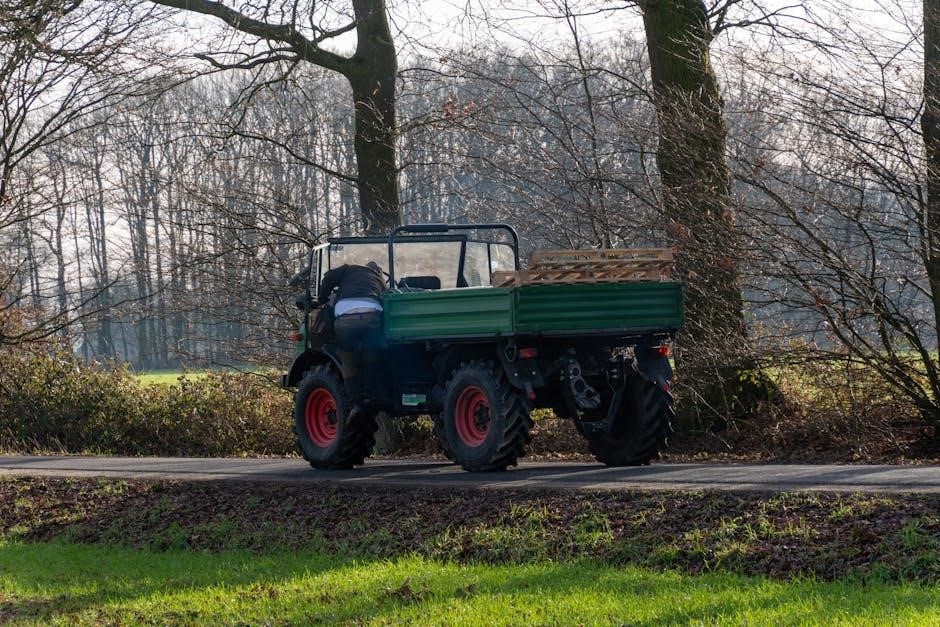
Proper tire care is crucial for safe and efficient operation of your Kubota RTV900. Regularly inspect tires for cuts, bulges, and uneven wear. Maintain the recommended tire pressure, as specified in the specifications section of this manual; under-inflation or over-inflation impacts handling and tire life.

Rotate tires periodically to promote even wear, extending their lifespan. Check for proper lug nut torque; loose lug nuts can lead to wheel separation. If a tire sustains a puncture, assess the damage. Small punctures may be repairable with a tire plug kit, but larger damage necessitates tire replacement.
Always replace tires in sets to maintain balanced handling. When replacing, ensure the new tires match the original size and load rating. Inspect the rims for damage during tire changes.
Detailed Component Information
Explore in-depth schematics and specifications for the RTV900’s core systems – hydraulics, transmission, electrical, and chassis – for comprehensive understanding.
Hydraulic System Overview
The Kubota RTV900’s hydraulic system is a robust, self-contained unit powering essential functions like steering, lifting, and attachment operation. It utilizes a high-pressure pump driven directly by the engine, delivering consistent and reliable performance.
This system comprises a hydraulic oil reservoir, filter, pump, control valve, cylinders, and connecting hoses. Maintaining proper oil levels and filter cleanliness is crucial for optimal operation and preventing premature wear. The control valve directs fluid flow to the appropriate cylinders, enabling precise control of attached implements.
Understanding the hydraulic system’s components and their interactions is vital for troubleshooting and performing necessary maintenance. Always refer to the specified hydraulic oil type and follow recommended service intervals to ensure longevity and prevent costly repairs. Regular inspection for leaks and damaged hoses is also paramount for safe and efficient operation.
Transmission System Details
The Kubota RTV900 features a continuously variable transmission (CVT) system, providing smooth and efficient power delivery across a wide range of speeds. Unlike traditional gear-based transmissions, the CVT utilizes a belt and pulley system to seamlessly adjust the gear ratio, optimizing engine performance for varying terrain and loads.
This system consists of a drive belt, input and output pulleys, and a hydraulic control mechanism. The hydraulic system adjusts the pulley diameters, altering the gear ratio and controlling vehicle speed. Regular inspection of the drive belt for wear and proper tension is crucial for maintaining transmission functionality.
Proper operation involves selecting the appropriate speed range for the task at hand. Avoid sudden, harsh acceleration or deceleration, as this can strain the CVT system. Following recommended maintenance procedures, including fluid checks and belt replacements, will ensure long-lasting performance and reliability.
Electrical System Diagram
The RTV900’s electrical system is a 12-volt DC system powering various components, including the headlights, taillights, indicators, and starting motor. A key component is the alternator, responsible for charging the battery while the engine is running, ensuring consistent power supply. The system incorporates a robust wiring harness, protected by fuses to prevent damage from overloads or short circuits.
Understanding the diagram reveals the battery’s central role, connected to the starter solenoid for engine ignition and the ignition switch for accessory control. Separate circuits serve lighting, signaling, and potentially auxiliary attachments. Proper diagnosis of electrical issues requires a multimeter and familiarity with the wiring schematic.
Always disconnect the battery’s negative terminal before performing any electrical repairs to prevent accidental shorts. Refer to the detailed wiring diagram located in the appendix for specific component locations and wiring configurations.

Chassis and Frame Specifications
The Kubota RTV900 boasts a rugged chassis and frame constructed from high-strength steel, designed for durability and stability across diverse terrains. Its overall length measures approximately 117.7 inches, with a width of 60.6 inches, and a height of 78.3 inches. The wheelbase is 76.4 inches, contributing to a stable ride.
Ground clearance is a notable 10.6 inches, enabling navigation over obstacles. The vehicle’s curb weight is around 1,676 lbs, providing a solid foundation for hauling and towing. Maximum loading capacity for the cargo bed is 1,102 lbs, while towing capacity reaches 2,000 lbs.
Frame dimensions are carefully engineered to accommodate various attachments and ensure balanced weight distribution. Regular inspection of the frame for cracks or damage is crucial for maintaining structural integrity and operational safety.

Attachments & Accessories
Expand your RTV900’s utility with a wide range of Kubota-approved attachments and accessories, designed for enhanced performance and versatility in various applications.
Compatible Attachments List
Kubota offers a diverse selection of attachments specifically engineered for the RTV900, significantly broadening its functional capabilities. Popular choices include front-mounted snow blades for efficient winter clearing, utility beds for hauling materials, and sprayers for agricultural or landscaping applications.
Further options encompass rear-mounted implements like box blades and tillers, enhancing ground maintenance tasks. For specialized needs, consider winches for heavy lifting or post drivers for fencing projects. Always verify attachment compatibility with your RTV900 model and intended use.
A comprehensive list is available through your local Kubota dealer or on the official Kubota website, detailing specifications, recommended uses, and installation guidelines. Prioritize genuine Kubota attachments to ensure optimal performance, safety, and warranty coverage. Improperly fitted or non-approved attachments may void your warranty.
Installing and Removing Attachments
Proper attachment installation is crucial for safe and effective operation of your Kubota RTV900. Always consult the specific attachment’s instruction manual for detailed guidance, as procedures vary. Generally, installation involves securely connecting the attachment to the RTV900’s three-point hitch or mounting plate using provided pins and hardware.
Before operation, double-check all connections to ensure they are firmly locked in place. When removing attachments, follow the reverse procedure, carefully disconnecting all linkages and supports. Store attachments in a clean, dry location to prevent corrosion and damage.
Never attempt to operate the RTV900 with a loosely attached or improperly installed attachment. Regularly inspect mounting points for wear or damage, and replace any worn components immediately. Prioritize safety and follow all recommended procedures to avoid injury or equipment malfunction.